A studio is founded
The studio is founded in 1988 by 14-year-old Michael Kramer, primarily to develop software for the Amiga computer, with PC development alongside it. The first catalogue opens with educational titles, among them Chemistry and Mappy the Map Master, and expands into business applications such as International Flow Charter and NRS Accounting, the latter never released, before the company moves into role-playing games for the rapidly growing home-computer market.
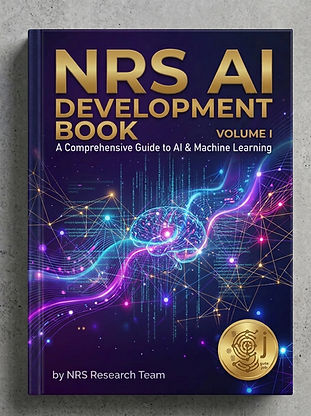
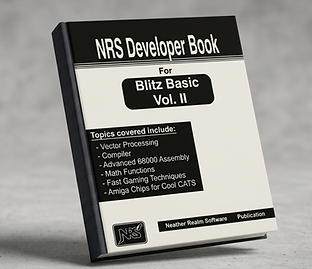
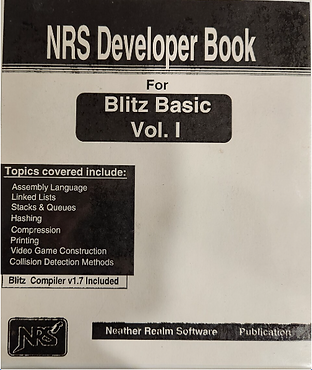
The NRS Developer’s Book
Work begins on the NRS Developer’s Book, written to encourage more development in Blitz Basic and to make it easier to find software developers who could help build NRS applications.
Sword of Folklore
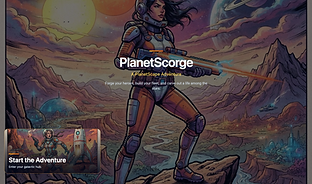
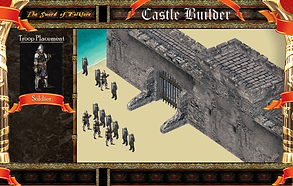
The studio releases Sword of Folklore.
A contract for Sword of Folklore II
The studio receives a contract to build out Sword of Folklore II.
INTAMA
The studio founds INTAMA, the International Amiga Marketing Association, to show businesses how large the international software market for the Amiga already was, and how much peripheral hardware worked straight out of the box. With tools like the Video Toaster and LightWave 3D, and later the Amiga CD32, the platform had carved out serious niches that much of the community believed could be pushed further, far enough to compete with Apple and Windows. INTAMA places its first advertisements in Amiga periodicals that year.
Commodore and Amiga change hands
In February 1995, Escom’s retail presence in the United Kingdom expands massively when it takes over branches of the Rumbelows electrical chain. In April 1995, Escom buys Commodore International for US$14 million, primarily to get the Commodore and Amiga brand names.
Final Core: RADS
The studio produces Final Core, or RADS: a rapid application development system for building applications on the PC, complete with a custom integrated development environment developed entirely in-house by NRS.
The studio closes its shop
The studio closes its shop to software development. The Amiga is not being promoted and a proper restart of the platform looks unlikely, leaving no clear future for the business built around it.
Console generation
The catalogue expands to console, and the engine work becomes the studio’s defining asset.
Online and live service
Always-on titles create a recurring revenue base and a permanent operations team.
The enterprise turn
Simulation and data technology from the games is licensed to business customers, then packaged as software products.
Two product lines
Games and enterprise software operate as separate businesses on a shared engineering core.
The next chapter
An announced slate across both lines, with new platforms and financial products in development.